 Subscribe
The Big 10 Toolbox
Below you can find a high-level introduction to the Big 10 to give you a sense of where this journey is going. From each of those summaries you can then jump to a detailed article which will give you approachable, high-level information and some practical actions and suggestions. Each article also contains suggestions for books, video or podcasts you might find useful to start growing your own knowledge. Finally, each article concludes with literature references to help you with fact checking.
I’ve not arranged the Big 10 in order of importance, but I would suggest that you look at the first three to begin with as they are key pillars of health. Also, there is increasing evidence that insulin is a contributing factor to all the four threats we looked at earlier, which would make number one important to consider early on in your journey through the Big 10.
All the Big 10 have the potential to improve your health right now and will help to combat at least one (if not several) of the four threats we identified earlier. The following icons are used to help you tell which they help to fight:
Cardiovascular disease
Neurodegenerative disease
Cancer
Metabolic disease
Also, do remember to spend some time thinking about why you want to make changes to your lifestyle. Give yourself a strong motivation to hold to when the change feels tough!
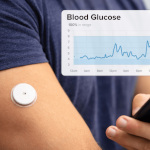
1. Avoid Ultra-Processed Foods and Control Your Insulin Levels
Use a continuous glucose monitor at home or blood testing from your healthcare provider to identify food and lifestyle choices that are spiking your blood sugar (and thus potentially your insulin levels) so that you can make adjustments to what you eat and the timing of your meals.

2. Exercise Regularly and Include both Resistance and Cardiovascular Workouts
Commit to a structured, consistent, regular programme of exercise that includes resistance training as well as cardiovascular and flexibility/stability work. Use a wearable and/or sports watch and apps to track your progress.

3. Get Enough Good Quality Sleep
Aim to get 7–9 hrs a night and use a sleep tracker to understand the duration and quality of your sleep so that you can address any deficiencies.

4. Monitor Your Heart Health
Check and track your blood pressure regularly. Use blood testing to monitor levels of key markers and uses scans to check for the presence of plaque buildup in your arteries.

5. Design Your Personal Supplement Stack Informed by Blood Testing
Further improve your diet by including key supplements to reach the optimum levels and make up for the deficiencies found in the modern world. Periodically, use a blood testing service to check and monitor your levels.
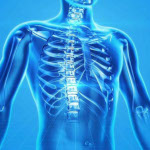
6. Monitor Your Body Composition with DEXA Scanning
Use DEXA scans to measure your visceral fat, lean muscle mass, and bone density so that you can reduce the risk of metabolic disease and increase your healthspan.

7. Support Your Brain Health
To minimise your risk from a range of neurodegenerative diseases focus on your cardiovascular health, insulin levels, exercise and on getting good quality sleep. However, you should also book an eye test and a hearing test because loss of sensory input is a big risk factor for dementia and is often overlooked

8. Build and Maintain Relationships with Friends, Family and Loved Ones
Invest time and effort in face-to-face conversation and activities with friends, family and loved ones because there is a strong correlation between social connection and healthspan. If you have few connections in your life, then be brave, take the plunge and start an activity where you will meet people. Stop using all short-form content social media as there is a strong correlation between the use of them and anxiety and poor concentration. Don't waste your precious time scrolling, spend it with other people face to face.

9. Eat Healthily, Consider Using Time Restricted Eating, and Prioritise Building a Strong Gut Microbiome
Don't worry about particular diets or restrictions (unless they are for personal moral reasons). Instead, focus on eating real food and avoiding processed foods and refined sugars. If suitable for you, time-restricted eating can be an effective way to manage your insulin levels and control your weight. Feed the trillions of good bacteria living inside you so that they can nourish and protect you.

10. Avoid Damaging Chemicals and Pesticides
Reduce your exposure to dangerous artificial chemicals by buying organic food, avoiding food packaged (especially wrapped) in plastic, by not using plastic cooking utensils or non-stick cookware and by not storing/re-heating food in plastic containers. Also, use an independently tested water filter jug and avoid both single-use and personal plastic water bottles. Finally, audit your cleaning and personal hygiene products for dangerous chemicals.