
 Subscribe
Double-Checking my Estimated Glomerular Filtration Rate
If you are muscular, eat high protein, or take creatine, never rely on a standard eGFR based on creatinine. Always insist on a Cystatin C eGFR test to get the true picture of your kidney health.
What is eGFR?
Estimated Glomerular Filtration Rate (eGFR) is a blood test measuring how well kidneys filter waste, crucial for detecting chronic kidney disease (CKD). A normal result is typically >90 mL/min/1.73m², while <60 for over 3 months suggests CKD. It is calculated using serum creatinine, age, and sex.
What was my eGFR test result when based on creatinine?
I first had my eGFR (based on creatinine levels tested) by Thriva in Oct 2024 (67) and again in Oct 2025 (78)
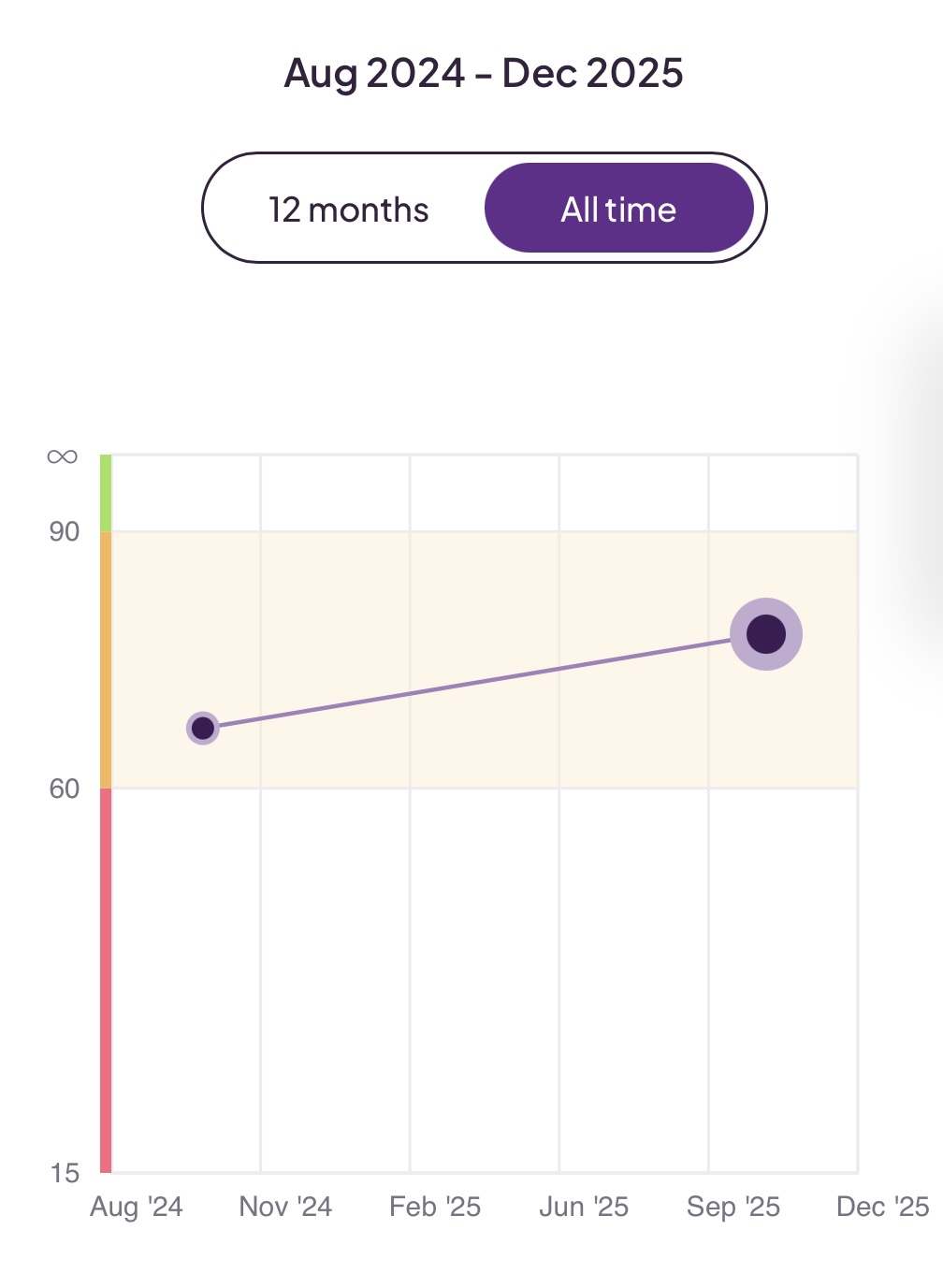
This level concerned me as it would place me in the Early-stage Kidney Disease category:
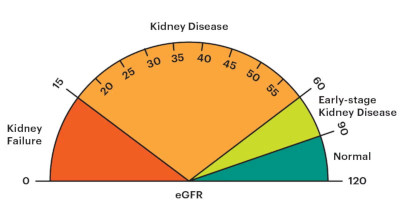
Source: National Kidney Health Foundation
Specifically, I was concerned that:
- Historic (foolish) excessive use of NSAIDs (such as Ibuprofen and Diclofenac) in endurance sport might have damaged my kidneys
- The Allopurinol I take for inherited gout might be causing this. Some reading, though, reassured me that Allopurinol is generally seen as protective of kidney health.
- I have a high-protein diet (both as part of controlling sugar intake and due to a high training load) which could be problematic with kidney issues
My doctor tested eGFR as part of my routine review in early 2026 and got a result in the same range. They were not concerned as I showed no other signs of kidney disease. This did not reassure me as my health strategy is not to wait for symptoms and then respond but, rather to tackle health issues early before symptoms develop.
My research into eGFR
What I found from some digging into this topic is that the eGFR based on creatinine might not be reliable in my case for the following reasons:
- The test measures creatinine (a waste product of protein and muscle breakdown). Creatine supplementation (which I do) can lead to higher levels of creatinine.
- More muscled individuals (who produce more creatinine waste) and individuals with non-standard body compositions don’t fit the model. I do a large amount of training, am quite muscular as well as being tall and very lean.
- I supplement heavily with protein in my diet
- I practice time-restricted eating and fasting (and was probably at least 18 hours fasted when the blood tests were taken each time)
A better test that was not offered by Thriva and that my doctor did not suggest is an eGFR based on Cystatin C. Cystatin C is a protein produced by all nucleated cells in the body that acts as a precise marker for kidney function. It is filtered out of the blood by the kidneys at a constant rate, making high blood levels a strong indicator of reduced glomerular filtration rate (GFR).
What was my eGFR test result when based on Cystatin C?
I used a different blood testing company Selph. This was not an at-home draw test in this case due to the volume of blood required - but Selph has a partnership with various local pharmacies who can draw the blood on their behalf.
This more accurate test gave me a result of 101 mL/min/1.73m²:
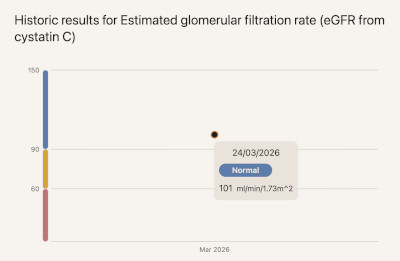
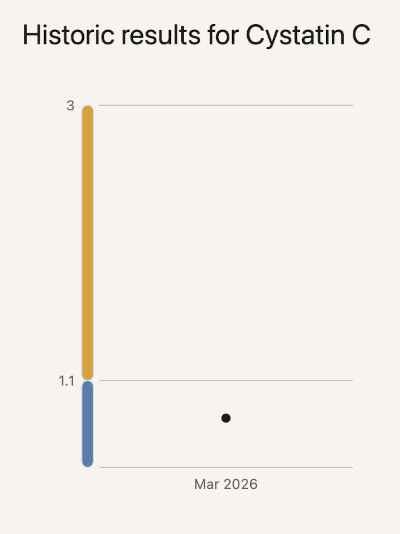
I am (at the time of writing) 52, so this would place me just above the average value of 99 for the younger age range 40–49 and above the average value of 93 for the 50–59 age group.
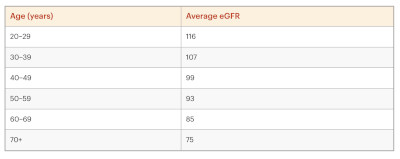
Source: National Kidney Health Foundation
Conclusion
I’m much more comfortable with this result and am happy to continue with my current levels of dietary protein and supplementary protein.
Useful learning from this is to be cautious of eGFR based on creatinine and that (although more expensive and less common) Cystatin C is a better test for kidney function (especially in athletic and supplemented individuals).